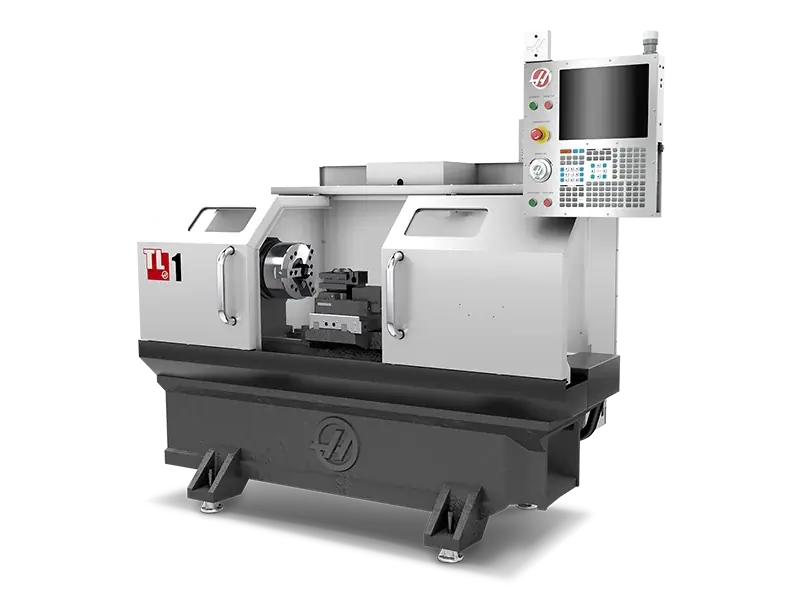
A current clamp on the spindle feed is the first sensor we put on any machine. It needs no controller interface, cannot be misconfigured into lying and costs a fraction of a dynamometer. It also measures the motor, not the cutting edge — which is why the features built on it have to be chosen with care.
What current tracks well
- Engagement. The moment the tool enters the material is a clear step.
- Load level and trend. RMS over a window inside the cut tracks the mechanical work. A rising RMS across identical cuts is the classic wear signature.
- Rhythm. Cycle timing, dwell, air-cut ratio — utilisation without any controller data.
What it does not
- Small-diameter tools and light finishing cuts can sit below the motor's no-load variation.
- Spindle drive dynamics and belt or gear stages smooth and delay the signal.
- Chipping and micro-fracture are often invisible in current and visible in acoustic emission.
Features that survive contact
Inside a gated window: RMS, mean, peak and standard deviation; band energies from the spectral feature operator where the spindle's electrical frequencies are known; and ratios against a reference cut. All of these are ordinary signals on the platform — trend them across parts, threshold them into a classification, record the full-rate window when a threshold trips, and only then consider a model.